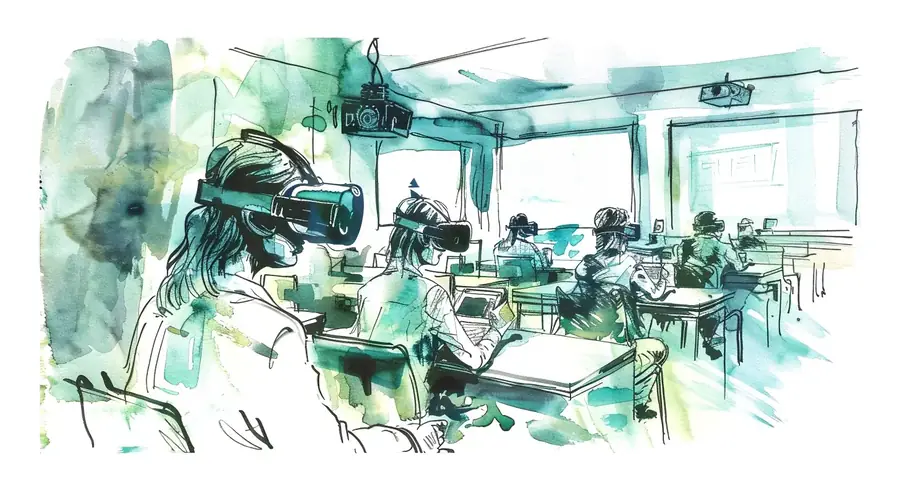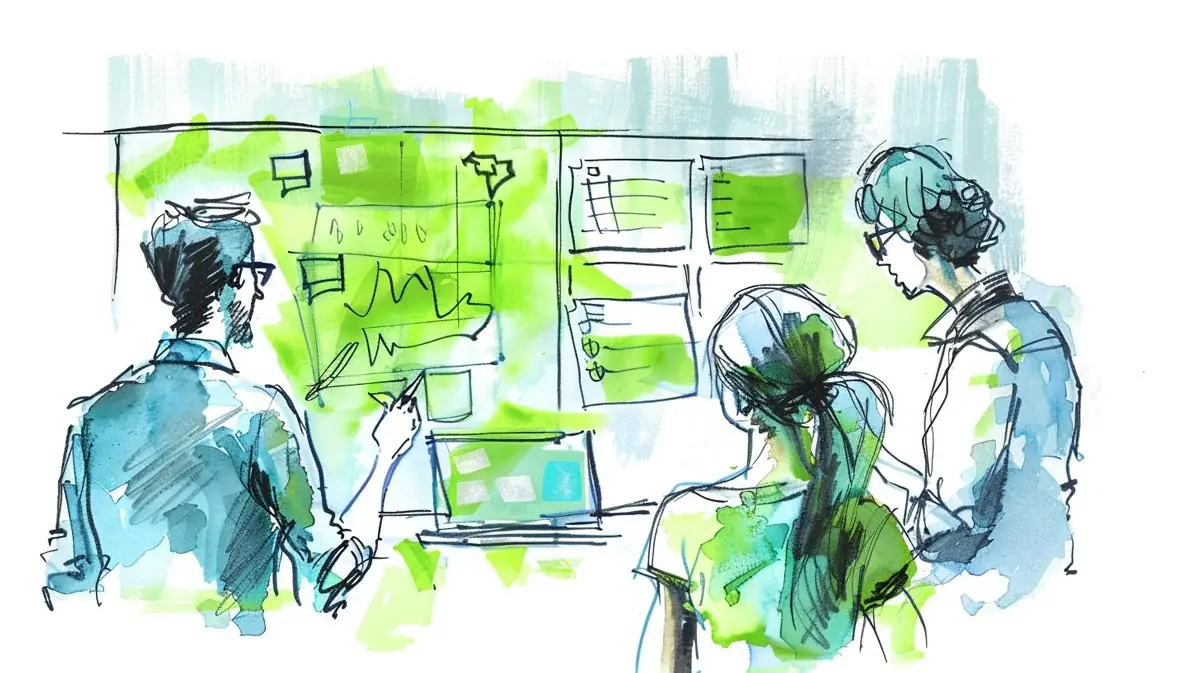
Project management is an increasingly essential skill for instructional designers — covering the full arc of learning development from initial concept to final delivery, including planning, timeline coordination, team collaboration, and budget management.
Effective project management in instructional design involves overseeing the development of educational materials from initial concept through to final delivery. This requires meticulous planning, timeline coordination, skillful team collaboration, budget management, and rigorous adherence to project objectives.
Selection of Free Project Management courses for Instructional Designers
The following courses cover project management fundamentals, stakeholder communication, agile methods, and quality assurance — all highly applicable to instructional design work.
A free, interactive course from the Project Management Institute that teaches you the essentials of project management in just 45 minutes — covering both Agile and Predictive approaches.
What you'll learn- Basics of project management: Agile and Predictive methodologies
- Effective tools and templates to initiate and manage projects
A practical introduction to project management for professionals who manage projects without a formal PM title — covering the full lifecycle, team dynamics, and stakeholder communication.
What you'll learn- Stages, parameters, and structure of a project
- Project lifecycle from inception to completion
- Time management using the Eisenhower Matrix
- Building and managing project teams
- Conflict resolution and stakeholder engagement
- Managing project costs, estimates, and risks
Master effective communication with stakeholders using emotional intelligence, assertiveness, and negotiation — essential skills for any instructional designer working with clients and SMEs.
What you'll learn- Emotional intelligence and its impact on communication
- Assertiveness and the art of saying no
- Conflict management and negotiation strategies
- Effective stakeholder communication and expectation setting
Led by Hadiya Nuriddin, this course helps you build intentional quality assurance processes for eLearning projects — so your team delivers consistently high-quality products.
What you'll learn- The significance of a designated quality management framework
- Detailed processes and steps for effective quality checks
- Strategies to focus your team's efforts during quality assessments
A comprehensive professional certificate developed by Google, covering the full scope of project management — from planning and budgeting to Agile and Scrum. Can be audited for free.
What you'll learn- Foundations of project management: time and budget estimation
- Running effective meetings and managing stakeholders
- Identifying and managing risks
- Applying Agile and Scrum frameworks
A concise introduction to Agile project management — ideal for instructional designers looking to understand iterative, flexible workflows.
What you'll learn- What Agile is and why it's beneficial for project management
- The 12 Principles of Agile
A foundational course from the Project Management Institute covering the Scrum framework — its process, cycles, and team roles.
What you'll learn- Fundamentals of Scrum and Discipline Agile Project Management
- The Scrum process and detailed steps within the Scrum cycle
- Each team member's role and responsibilities in a Scrum environment
Mastering Project Management for Instructional Design
Great project management thrives on the ability to effectively collaborate with cross-functional teams. Some other areas you could explore include:
- SME Collaboration and Stakeholder Engagement: Engaging with Subject Matter Experts and stakeholders to deepen understanding and build strong relationships.
- Learning Experience Design (LXD): Integrating LXD principles helps project managers create more effective training and development programs.
- Instructional Design: Knowledge of Instructional Design ensures educational content is pedagogically sound and tailored to the learning needs of the audience.
- User Experience Design (UX): UX design principles ensure that products and systems are user-friendly and designed with the end-user in mind.
By learning from a wide range of disciplines, learning-focused project managers can enhance their toolkit, leading to more innovative and effective management practices.