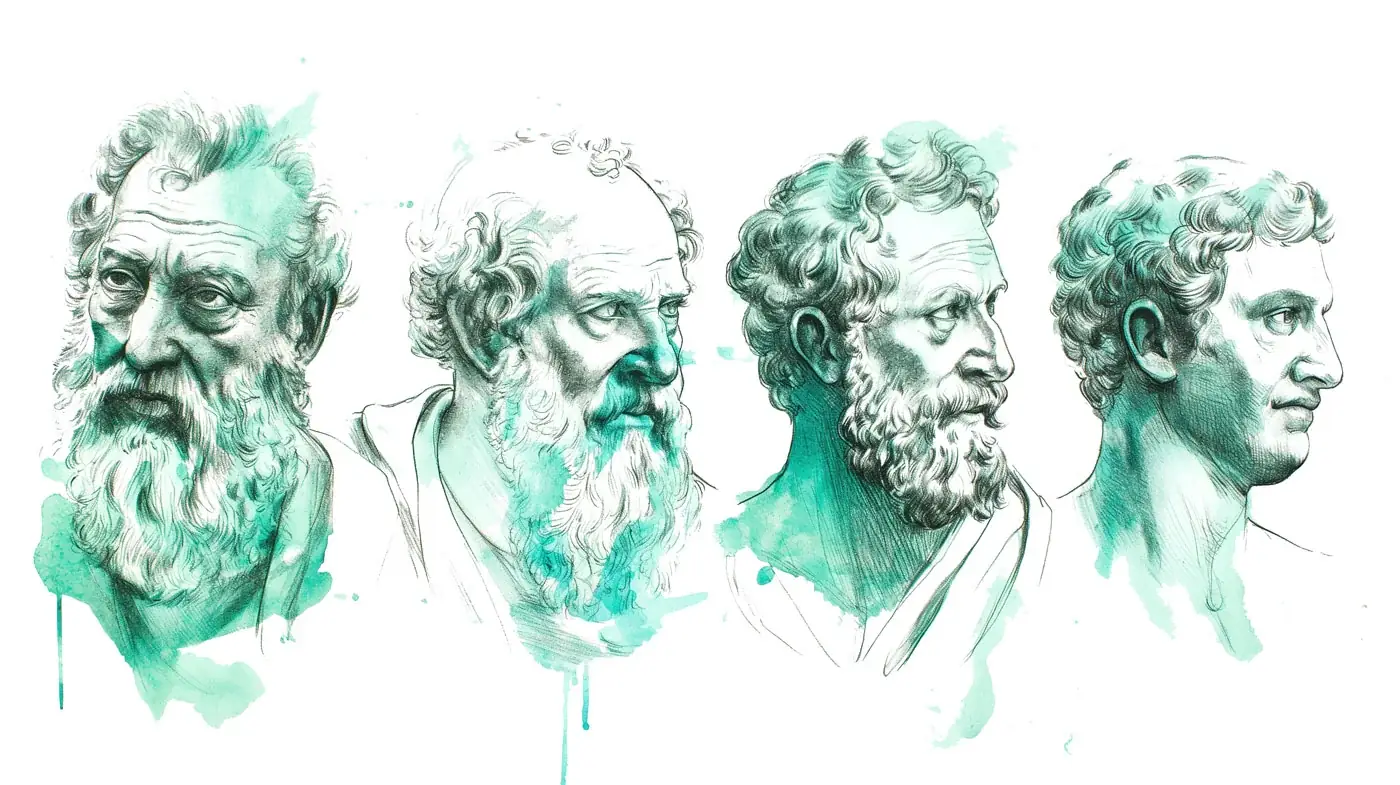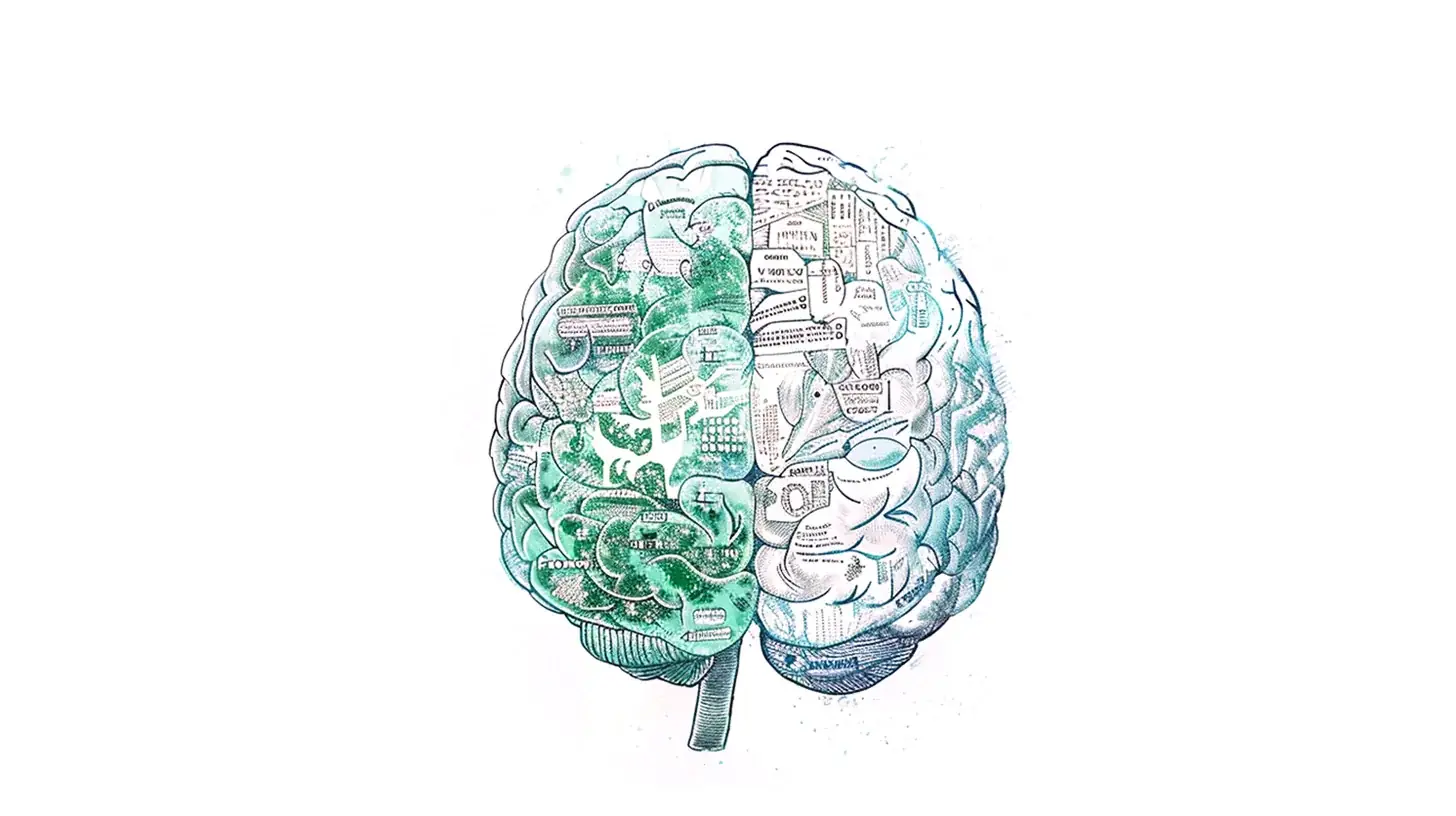
Dual Coding Theory, developed by Allan Paivio in 1971, is a cognitive theory that posits the mind processes information through two distinct channels — verbal and non-verbal — and that engaging both channels together significantly enhances learning and retention.
Origins and Influences
Allan Paivio, a cognitive psychologist at the University of Western Ontario, introduced Dual Coding Theory to explain how individuals process and remember information. His theory was grounded in the following concepts:
Verbal Associations and Imagery: According to Paivio, people can expand on learned material through verbal associations and mental imagery. These two channels work independently but can also interact to enhance memory and learning.
Picture Superiority Effect: Paivio’s finding that images are more likely to be remembered than words alone, as they are processed through both channels simultaneously.
Cognitive Psychology Foundations: Paivio’s work drew on earlier cognitive theories and behavioral learning principles, integrating them into a cohesive model that explains how verbal and non-verbal information is processed and stored.
The human mind uses two separate but interconnected systems for processing information: a verbal system for language-based content and a non-verbal (imagery) system for visual and sensory content. Engaging both systems creates stronger, more retrievable memory traces than using either system alone.
Key Principles of Dual Coding Theory
Dual Coding Theory is based on several key principles that guide the design of educational materials:
Dual Channels: The brain processes information through separate verbal and non-verbal channels. Utilizing both channels can enhance learning by providing multiple pathways for information retrieval.
Integration of Modalities: Combining verbal and visual information helps learners create more comprehensive mental models, making it easier to understand and remember complex concepts.
Redundancy Reduction: While integrating multiple modalities, it’s important to avoid unnecessary redundancy, which can lead to cognitive overload. Complementary information should be provided through each channel.
Spatial Contiguity: Presenting related verbal and visual information close together in space helps learners make connections more easily, reducing the cognitive effort required to integrate the information.
Temporal Contiguity: Synchronizing the presentation of verbal and visual information in time ensures that learners can process both types of information simultaneously, enhancing comprehension and retention.
Types of Codes in Dual Coding Theory
Dual Coding Theory posits that the human mind processes information through two distinct channels, each using different types of codes to represent and store information. The two primary types are Analogue Codes and Symbolic Codes.
Analogue Codes
Analogue codes are used to mentally represent images and other sensory information. These codes retain the perceptual features of the physical stimuli they represent, making the mental images highly similar to the actual objects or experiences.
- Perceptual Fidelity: Analogue codes maintain the detailed perceptual characteristics of the stimuli, such as color, shape, texture, and spatial relationships. When you think of a tree, the mental image includes specific details like the shape of the leaves, the color of the bark, and the overall structure.
- Sensory Information: Analogue codes can encompass various types of sensory information, including visual, auditory, olfactory, and tactile elements.
- Near-Exact Representation: These codes provide a near-exact mental representation of physical stimuli. This high level of detail helps in creating vivid and accurate mental images that aid in memory and recall.
- Dynamic Imagery: Analogue codes can also represent movement and changes over time — for example, visualizing a flowing river involves dynamic aspects like the movement of water and the reflections of light on its surface.
Symbolic Codes
Symbolic codes are used to form mental representations of words and abstract concepts. These codes are more conceptual and sometimes arbitrary, representing information through symbols rather than perceptual features.
- Arbitrary Representation: Symbolic codes represent information in a more abstract manner. The word “tree” is a symbolic code that represents the concept of a tree but does not include the detailed visual characteristics of an actual tree.
- Conceptual Information: These codes capture the conceptual essence of the information, allowing for the representation of ideas, concepts, and relationships between them.
- Language and Numbers: Symbolic codes are heavily used in language and numerical representations. Words, sentences, and mathematical expressions are all forms of symbolic codes that convey meaning through agreed-upon symbols and structures.
- Flexibility and Combinations: Symbolic codes can combine to form more complex representations — for example, words combining into phrases or sentences that convey more detailed information.
- Abstract Concepts: Symbolic codes are essential for representing abstract concepts that do not have direct perceptual counterparts, such as “freedom” or “justice.”
Interaction between Analogue and Symbolic Codes
Dual Coding Theory posits that both types of codes can interact and complement each other to enhance learning and memory:
Enhanced Recall: By coding information in both analogue and symbolic forms, learners have multiple pathways for retrieving the information. Learning the word “dog” alongside a picture of a dog creates two memory traces, increasing the likelihood of recall.
Contextual Understanding: Symbolic codes can provide context and meaning to analogue images. A diagram of the solar system (analogue) paired with explanatory text (symbolic) helps learners understand the relationships between celestial bodies.
Reinforcement: Information presented in both forms reinforces understanding and retention. A video explaining a scientific concept (analogue) with accompanying subtitles (symbolic) can help reinforce the material.
Dual Coding in Learning Experience Design
Educators and instructional designers can leverage both types of codes to create richer learning experiences. Techniques like using diagrams with labels, multimedia presentations, and interactive simulations utilize both analogue and symbolic codes to facilitate deeper learning.
The following strategies put dual coding into practice across a variety of learning formats:
- Infographics: Combine text and visuals to simplify complex information, making it more accessible and memorable.
- Charts and Graphs: Visualize statistical data to help learners quickly grasp and interpret numerical information.
- Videos and Animations: Engage multiple senses to explain concepts, making abstract or complex ideas more understandable and engaging.
- Slide Presentations: Use a combination of text and images to reinforce key points, aiding memory by providing dual channels for information processing.
- Virtual Labs: Create interactive scientific experiments that allow learners to visualize and interact with concepts, fostering deeper understanding.
- Scenario-Based Learning: Develop real-world scenarios that combine visual and verbal elements to help learners apply theoretical knowledge practically.
- Mind Maps: Encourage visual organization of information by representing relationships between concepts, aiding in understanding and recall.
- Sketch Noting: Promote the use of drawings and text to summarize learning, enhancing memory by engaging both visual and verbal channels.
- Text with Images: Pair relevant images with text in presentations to strengthen mental associations and improve recall.
- Audio Narration: Include spoken explanations alongside visuals and text to cater to different learning styles and reinforce material.
- Flashcards: Create flashcards with images on one side and text on the other, using dual coding to improve memory retention.
- Visual Mnemonics: Link images with complex concepts to make them easier to remember, leveraging the picture superiority effect.
- Educational Games: Develop games that integrate visual and textual elements to engage learners and reinforce learning through interaction.
- Virtual Reality: Use immersive VR experiences to provide rich, engaging learning environments that enhance understanding and retention.
- Interactive Diagrams: Design diagrams with clickable explanations to engage learners actively, helping them grasp complex ideas.
- Step-by-Step Tutorials: Break down tasks into manageable steps using visual aids, making instructions easier to follow and understand.
- Guided Practice: Provide sessions with real-time visual and verbal feedback to help learners correct mistakes and reinforce learning.
- Digital Whiteboards: Utilize shared whiteboards for collaborative projects, enhancing group learning and idea sharing through visual means.
- Contextual Videos: Show videos demonstrating real-world applications of concepts to make learning more relevant and memorable.
- Multimedia Forums: Use online discussion forums that incorporate multimedia elements to facilitate richer, visual-verbal discussions.
By using these dual coding learning strategies, educators can create more engaging and effective learning experiences that cater to the diverse ways learners process information. These strategies not only enhance comprehension and retention but also make learning more interactive and meaningful.
Key Questions Answered
The most commonly asked questions about this topic, concisely answered.
- Dual Coding Theory, developed by Allan Paivio in 1971, proposes that the human mind processes information through two distinct but interconnected systems — a verbal system for language-based content and a non-verbal (imagery) system for visual and sensory information. Engaging both systems together creates stronger, more retrievable memory traces than using either alone.
- Allan Paivio, a cognitive psychologist at the University of Western Ontario, developed Dual Coding Theory in 1971. His research on verbal associations and mental imagery demonstrated that pictures are more easily remembered than words — a finding he called the picture superiority effect.
- The picture superiority effect is Paivio's finding that images are significantly more likely to be remembered than words alone. This occurs because images are processed through both the verbal and non-verbal channels simultaneously — creating two independent memory traces — while text typically activates primarily the verbal channel.
- Analogue codes are mental representations of visual and sensory information — they preserve the perceptual features of what they represent (shape, color, spatial relationships, movement). Symbolic codes represent words and abstract concepts in an arbitrary, language-dependent way. Both systems interact: a word can trigger a mental image, and an image can trigger associated verbal labels.
- Dual Coding Theory is the foundational cognitive science — it explains how verbal and visual information are processed in separate but linked memory systems. Mayer's Multimedia Learning Theory applies and extends this foundation to create specific instructional design principles for combining words and pictures in educational materials.
- Designers can apply Dual Coding by: pairing explanatory text with relevant diagrams or images, using infographics to convert abstract data into visuals, creating mind maps and concept diagrams, adding audio narration alongside visual content, using visual mnemonics, and developing flashcards with images on one side and text on the other.
- No. Adding images that are merely decorative or unrelated to the learning content can increase cognitive load without aiding comprehension. Dual coding is most effective when the verbal and visual representations are complementary and integrated — each providing information the other doesn't fully convey, not simply duplicating the same message.
- Spatial contiguity means presenting related verbal and visual information close together in physical space — such as placing a label directly on a diagram rather than in a separate legend. When related elements are far apart, learners must hold one in memory while searching for the other, increasing extraneous cognitive load and reducing the benefit of dual coding.
- Learners can leverage dual coding in their own study by combining written notes with sketches, diagrams, or visual summaries (sketch-noting). Converting text-heavy notes into visual representations — concept maps, timelines, or annotated diagrams — activates both coding systems and significantly improves long-term retention.
- No, and this is a critical distinction. Dual Coding Theory does not claim that individuals have a fixed preferred learning modality (visual, auditory, kinesthetic). Instead, it holds that all learners benefit from the integration of verbal and visual information because of how human cognition universally works. Learning styles theory (VARK), by contrast, lacks robust empirical support.
- Pair every key concept with a relevant visual: use diagrams alongside explanations, infographics for processes and workflows, icons to represent categories, and annotated screenshots for software training. Avoid purely decorative images that add no informational value. The visual must encode meaningful information that complements (not duplicates) the text — creating two retrievable memory traces instead of one.
- Dual Coding Theory is one of the foundational theories behind Mayer's Cognitive Theory of Multimedia Learning. Mayer's Multimedia Principle — that people learn better from words and pictures together than from words alone — is a direct application of Paivio's dual coding insight. Mayer's additional principles (contiguity, coherence, redundancy) refine how to implement dual coding effectively without causing cognitive overload.